Trading Tips
Day Trading vs Swing Trading: Which Style Actually Fits You?

Style Matters More Than Strategy
A profitable strategy that doesn't fit your lifestyle or personality won't survive contact with reality. Before learning specific setups, it helps to understand the major trading styles and which one realistically fits you.
Day Trading
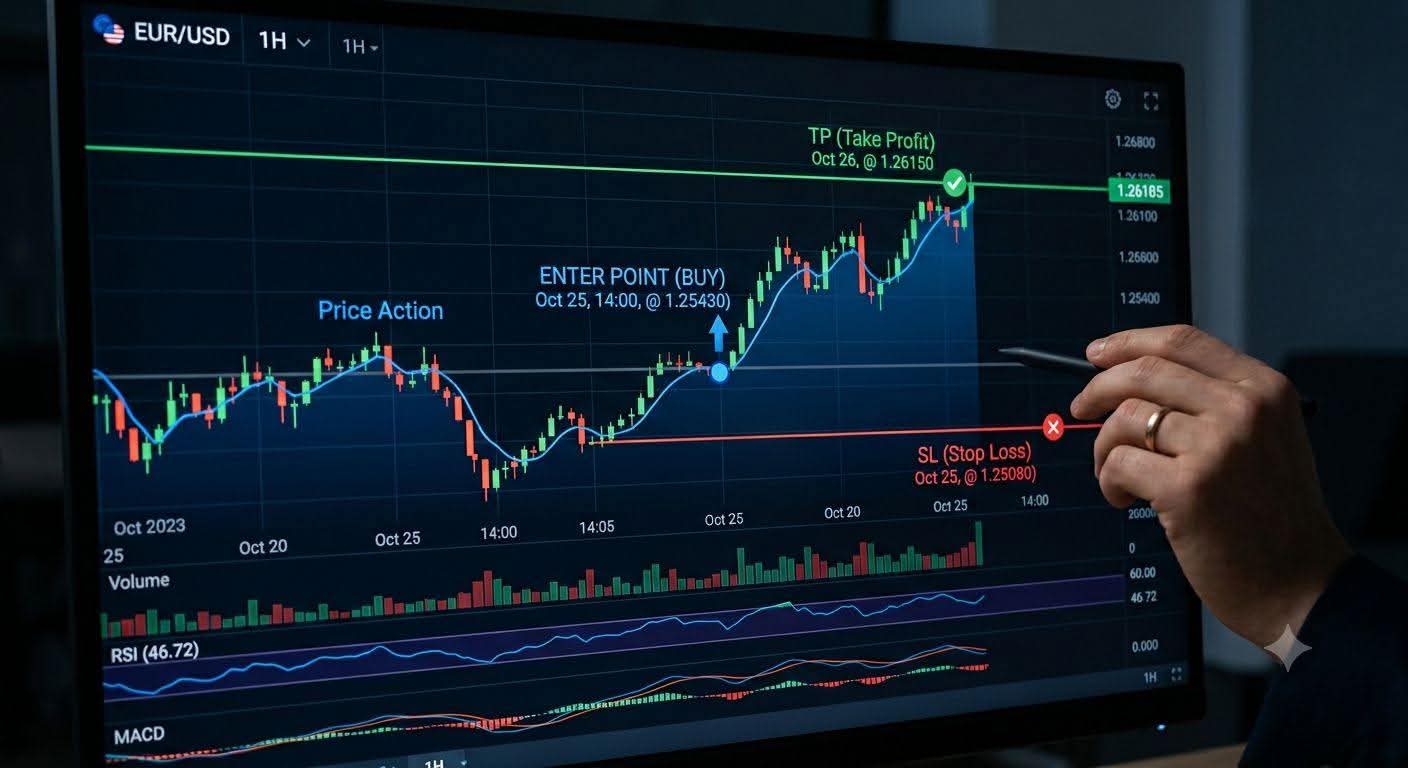
Day trading means opening and closing positions within the same day — no overnight holds. Traders watch shorter timeframes (M5, M15, H1) and often make multiple trades per session.
Good fit if: you can dedicate several focused hours during active market sessions, enjoy fast decision-making, and can handle frequent small wins and losses without emotional whiplash.
Challenging if: you have a full-time job with fixed hours, get stressed by constant screen-watching, or tend to overtrade when bored.
Swing Trading
Swing trading holds positions for several days to a few weeks, aiming to capture a larger "swing" in price using higher timeframes (H4, Daily). Fewer trades, more patience required.
Good fit if: you can't watch charts all day, prefer fewer but higher-quality decisions, and are comfortable holding positions through some overnight volatility.
Challenging if: you struggle with patience or feel the need to constantly check and adjust open trades.
Scalping
Scalping targets very small price movements over minutes or even seconds, requiring intense focus and extremely fast execution. It's the most demanding style — mentally and technically.
Good fit if: you thrive under pressure, have very fast reaction times, and can dedicate uninterrupted attention during sessions.
Challenging if: you have any hesitation in decision-making — scalping punishes indecision severely.
How to Actually Choose
- Be honest about your available time — not your ideal schedule, your real one.
- Test each style on a demo account for at least two weeks before committing capital.
- Notice which style causes you the least stress — sustainable trading beats "exciting" trading every time.
The Bottom Line
There's no single "best" style — only the one that matches your schedule, temperament, and risk tolerance. Choosing based on lifestyle fit, not hype, is what makes a style sustainable long-term.
Trading involves risk. This article is educational, not financial advice.