Trading Tips
Technical vs Fundamental Analysis: Which Should Beginners Learn First?
Two Different Ways to Read the Market
Every trader eventually has to decide how they'll make decisions: by reading price charts, by following economic events, or some mix of both. Understanding the difference early saves months of confusion.
What Is Technical Analysis?
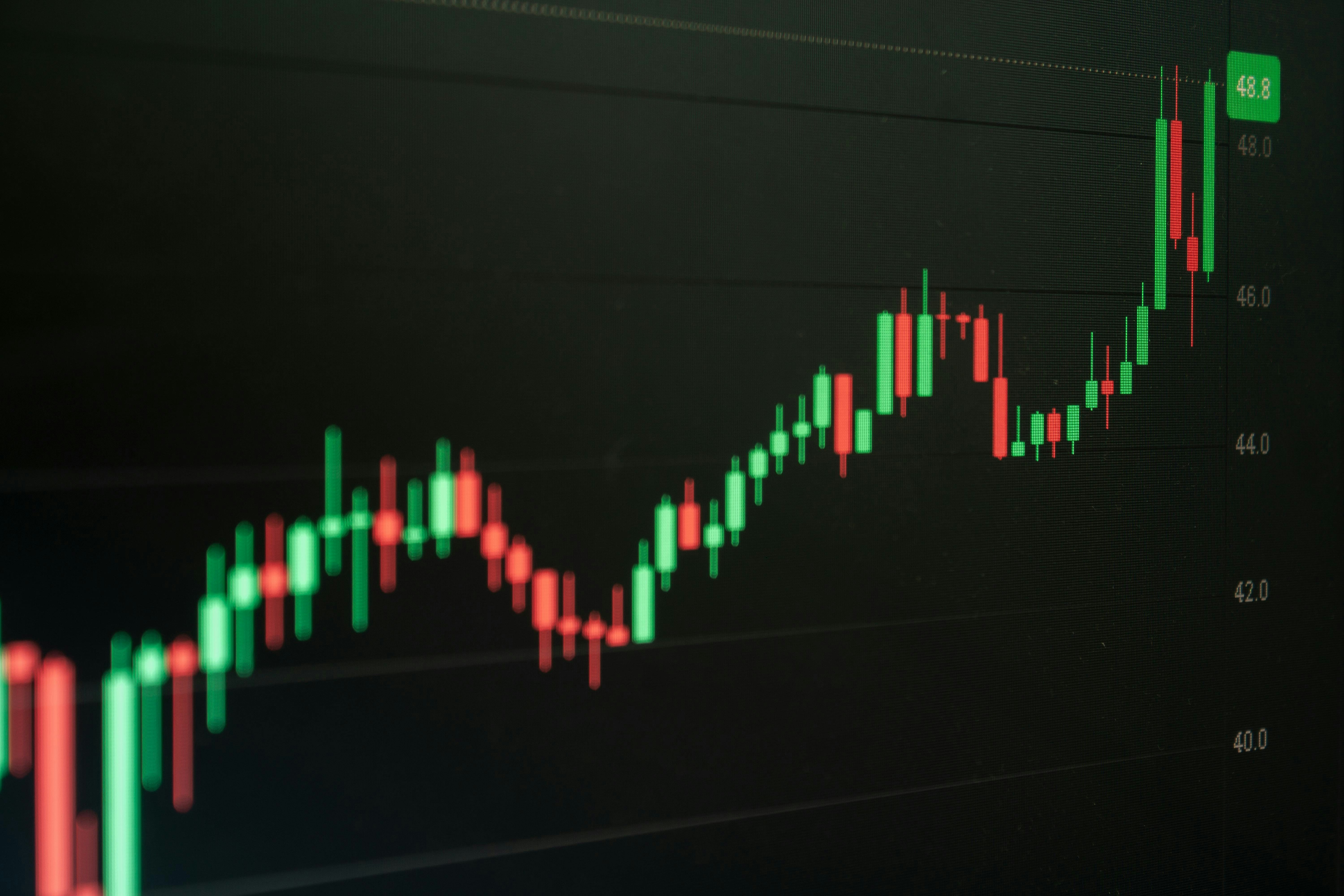
Technical analysis studies price charts directly — patterns, support and resistance, trends, and indicators like moving averages or RSI. The core idea: price already reflects all known information, so studying its behavior is enough to make decisions.
Strengths: works on any timeframe, gives clear entry/exit signals, doesn't require tracking news constantly.
Weaknesses: can give false signals during major news events; patterns aren't guarantees, just probabilities.
What Is Fundamental Analysis?
Fundamental analysis looks at the why behind price movement — interest rate decisions, inflation data, employment reports, geopolitical events. It's about understanding the economic forces driving a currency, commodity, or index.
Strengths: explains major, sustained trends; helps you anticipate volatility around scheduled events.
Weaknesses: doesn't give precise entry timing; requires ongoing awareness of the economic calendar.
Which Should You Learn First?
Most beginners benefit from starting with technical analysis — it's more visual, more immediately practical, and teaches you to read price action, which you'll need regardless of your eventual style. Once you're comfortable reading charts, layering in fundamentals (like checking the economic calendar before entering trades) sharpens your timing and helps you avoid unnecessary risk around high-impact news.
How Experienced Traders Combine Both
A common approach: use fundamentals to decide the overall bias (should I be looking for buys or sells on this pair this week?), then use technical analysis to time the actual entry and exit within that bias.
The Bottom Line
Neither approach alone is "better" — they answer different questions. Technical analysis tells you when, fundamental analysis tells you why. Most consistently profitable traders eventually use both.
Trading involves risk. This article is educational, not financial advice.