Trading Tips
Demo vs Live Trading: When Are You Actually Ready to Go Live?
Why Demo Trading Exists
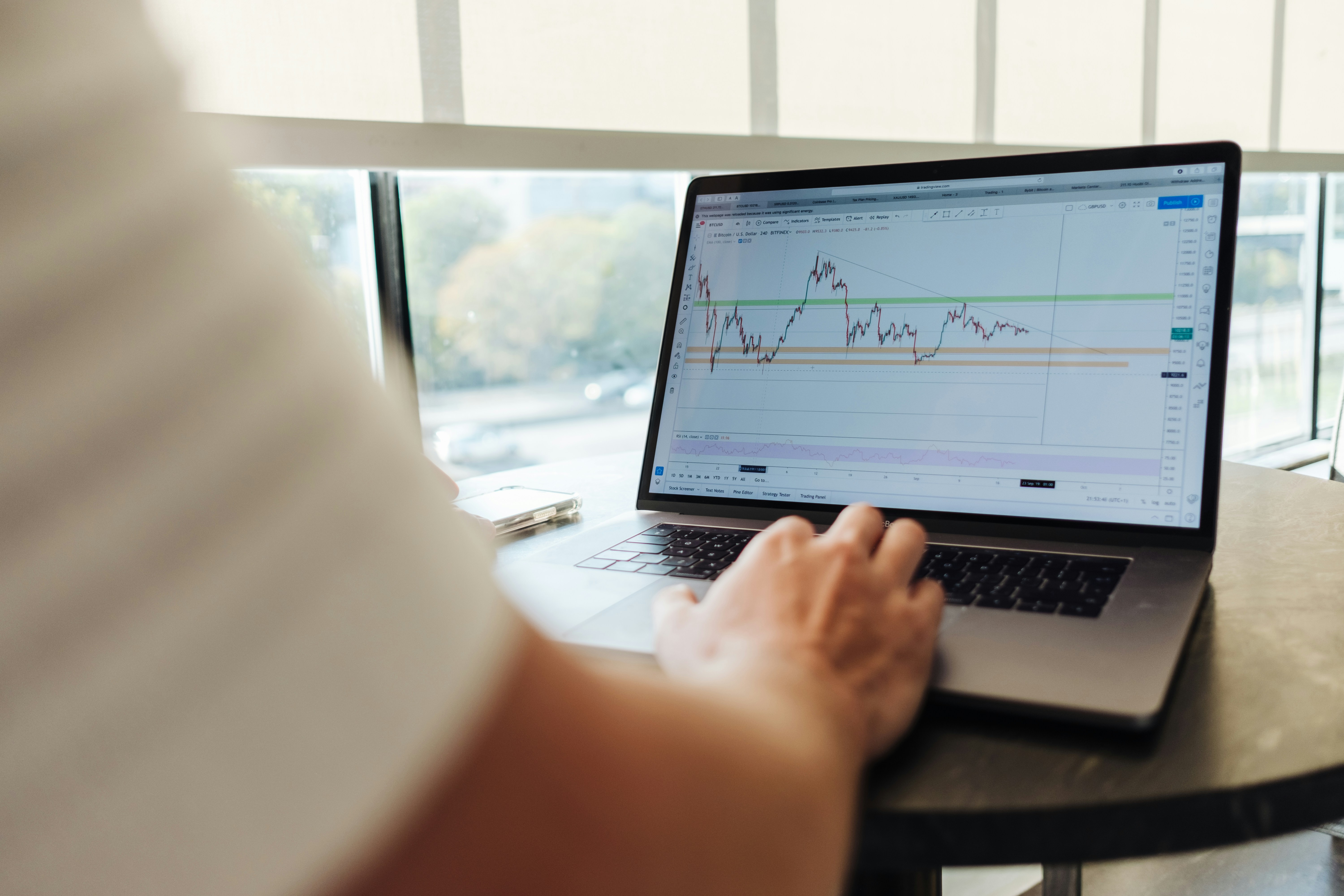
A demo account lets you practice on real market prices without risking real money. It's the right place to learn platform mechanics, test a strategy, and build consistency — but it comes with a hidden trap.
The Psychology Gap
Trading fake money and trading real money are not the same experience, even with identical charts and identical strategy. When real capital is on the line, fear and greed show up in ways a demo account never triggers. Many traders who are profitable on demo lose money the moment they switch to live — not because their strategy stopped working, but because their emotions changed.
Signs You're Actually Ready
- You've traded the same strategy on demo for at least 1-2 months with consistent results, not just one lucky week.
- You can explain why you enter and exit every trade — not just "it felt right."
- You've tested your strategy across different market conditions (trending, ranging, volatile news days).
- You already follow strict risk management (like the 1% rule) on demo, without needing to remind yourself.
How to Transition Smart
- Start live with the smallest amount you can afford to lose completely — treat it as "tuition," not income.
- Keep your position sizes small even if your strategy allows for more, until you've proven you can handle real emotional pressure.
- Journal every live trade the same way you journaled on demo — the transition period is where you'll learn the most about yourself.
- Expect a dip in performance initially. That's normal, not a sign your strategy is broken.
The Bottom Line
Demo trading proves your strategy can work. Live trading proves whether you can execute it under pressure. Give yourself room to learn that second skill without risking money you need.
Trading involves risk. This article is educational, not financial advice.