Trading Tips
How to Start Forex Trading with $50 or $100: Small Account Guide
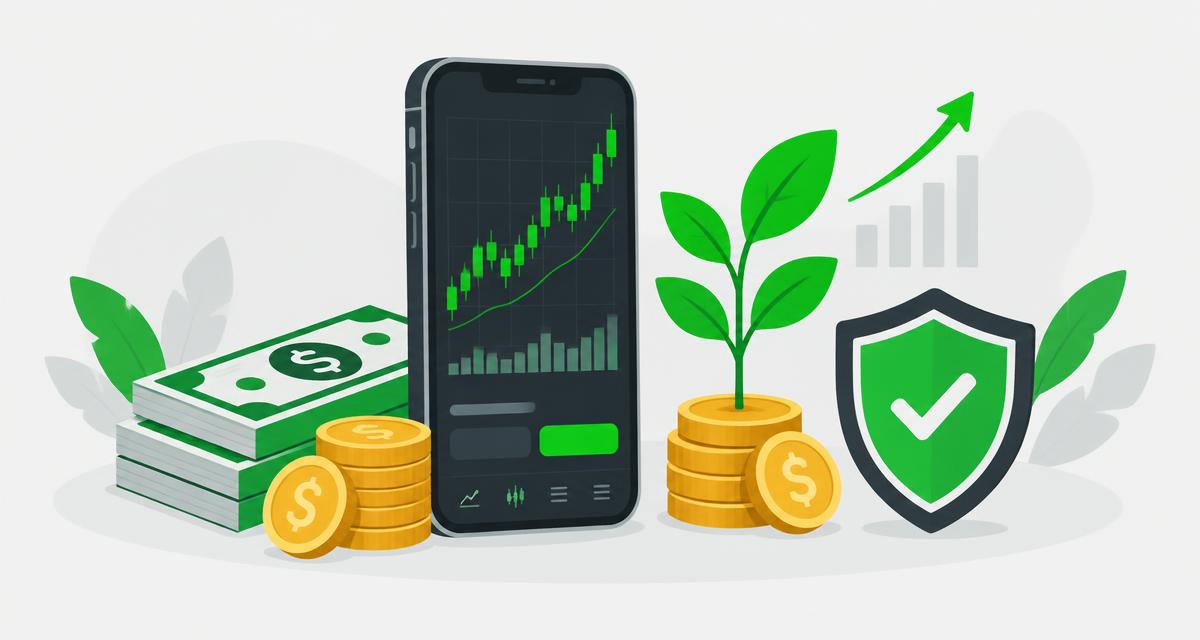
Starting with $50 or $100 is how many traders begin — and it is completely fine. A small account will not make you rich quickly, but it is the best school there is: real money, real emotions, and small, affordable mistakes. This guide shows you how to start forex trading with a small account and, most importantly, how to keep it alive.
Be realistic first
With $100, a great month might be +5% to +10% — that is $5 to $10. That sounds small, but your real goal in the first months is not profit — it is survival and skill. Traders who try to turn $100 into $1,000 in a week almost always lose the whole account. Treat this money as your tuition fee for learning.
Step 1: Learn the basics before you deposit
Before you risk any money, make sure you understand:
- What a pip is and how it is valued — see Pips, Lots, and Position Sizing
- How leverage works — see Understanding Leverage
- How to place a stop loss — see Stop Loss vs Take Profit
The free Danipips Academy covers all of this step by step.
Step 2: Practice on a demo account
Trade on a demo account for at least 2–4 weeks. If you cannot follow your own rules with fake money, you will not follow them with real money. Read Demo vs Live Trading to know when you are ready.
Step 3: Choose a broker that allows small accounts
You need a regulated broker with a low minimum deposit, micro lots (0.01), and local payment methods. Many traders in Africa, Asia and the Middle East use Exness because it supports small accounts, offers micro lots, and has many local deposit options. You can open an account here: Open an Exness account.
Minimum deposits and payment methods depend on your country and account type — always check the current values in your Exness Personal Area. For deposits and withdrawals, see our Exness Deposit & Withdrawal Guide.
Step 4: Use the 1–2% risk rule
This is the most important rule for a small account. Risk only 1% to 2% of your balance per trade.
- $50 account → risk $0.50 to $1 per trade
- $100 account → risk $1 to $2 per trade
This means you could lose 10 trades in a row and still have most of your account. Learn more in Risk Management 101: The 1% Rule.
Step 5: Always trade the smallest lot size
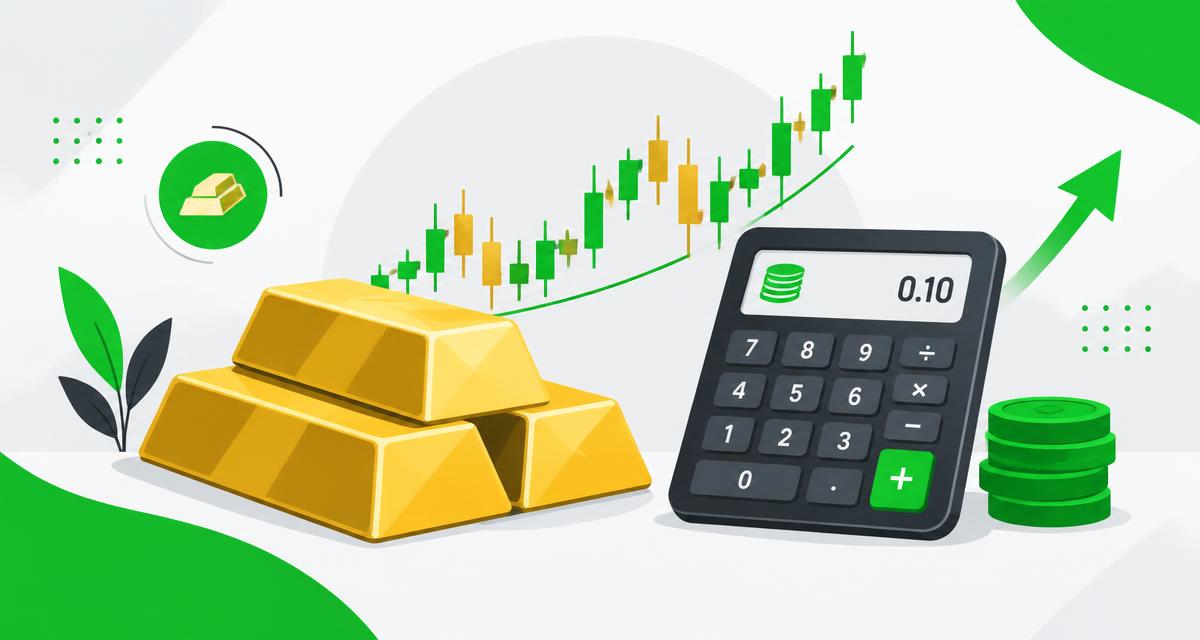
On a small account, 0.01 lots (a micro lot) is your friend. On most major forex pairs like EURUSD, 0.01 lots is worth roughly $0.10 per pip. So with a $1 risk, your stop loss can be about 10 pips.
Pip values differ between instruments, and gold (XAUUSD) moves much more per lot than forex pairs, so do not guess. Use the Danipips Position Size Calculator before every trade, and read How to Calculate Lot Size on Gold before trading gold.
Step 6: Do not abuse leverage
High leverage lets you open bigger positions with little money, but it also lets you lose everything in minutes. Leverage is not the problem — lot size is. If you keep to 0.01 lots and the 1–2% rule, your account stays protected even with high leverage available.
Step 7: Trade less, trade better
- Focus on 1–2 instruments (for example EURUSD and XAUUSD)
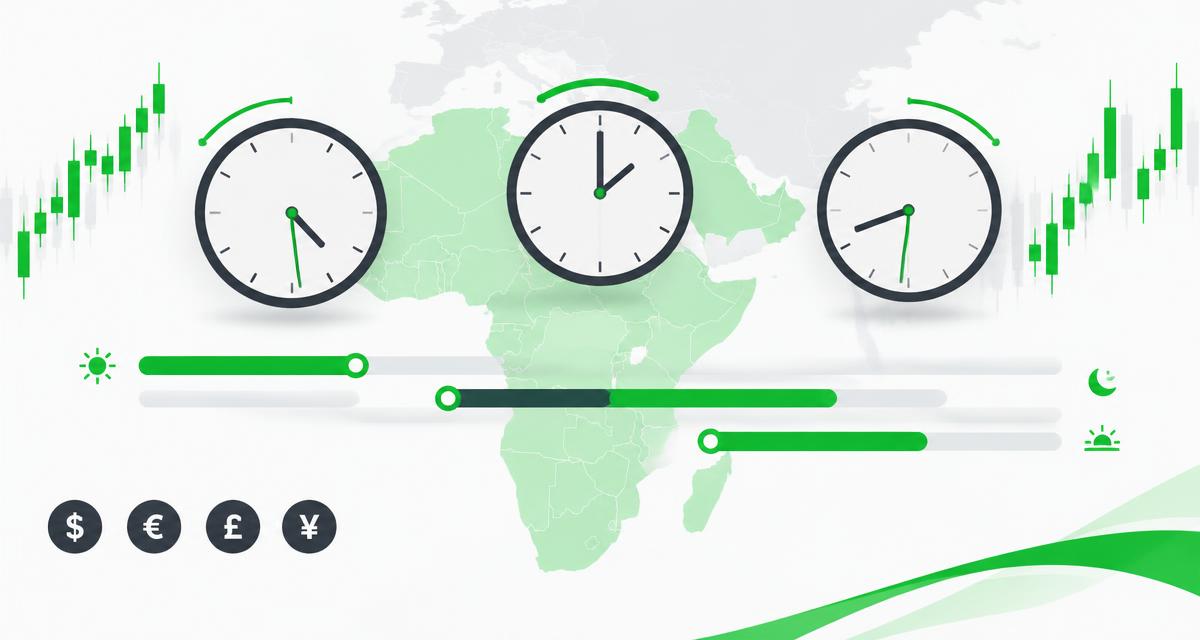
- Trade during active sessions — see Best Time to Trade Forex in Nigeria, Kenya & UAE
- Avoid trading right before big news — check the economic calendar
- Set a daily limit: stop after 2 losing trades
Common small-account mistakes
- Going all-in to "grow faster" — one bad trade ends everything
- No stop loss — hoping price comes back
- Revenge trading after a loss — see Trading Psychology
- Depositing more money to recover losses instead of fixing your method
A simple small-account plan
| Item | Rule |
|---|---|
| Starting balance | $50 – $100 |
| Lot size | 0.01 |
| Risk per trade | 1–2% |
| Max trades per day | 2–3 |
| Stop for the day | After 2 losses |
| Goal for month 1 | Follow every rule, protect the account |
Final thoughts
A small account is not a weakness — it is protection while you learn. Grow your skill first, and your account can grow later. Have a question about your plan? Ask the free Danipips AI Tutor any time.
Risk warning: Trading forex and CFDs involves significant risk and you can lose all of your deposit. This article is educational and not financial advice.