Trading Tips
Forex Scalping for Beginners: A Simple 5-Minute Strategy and Risk Rules
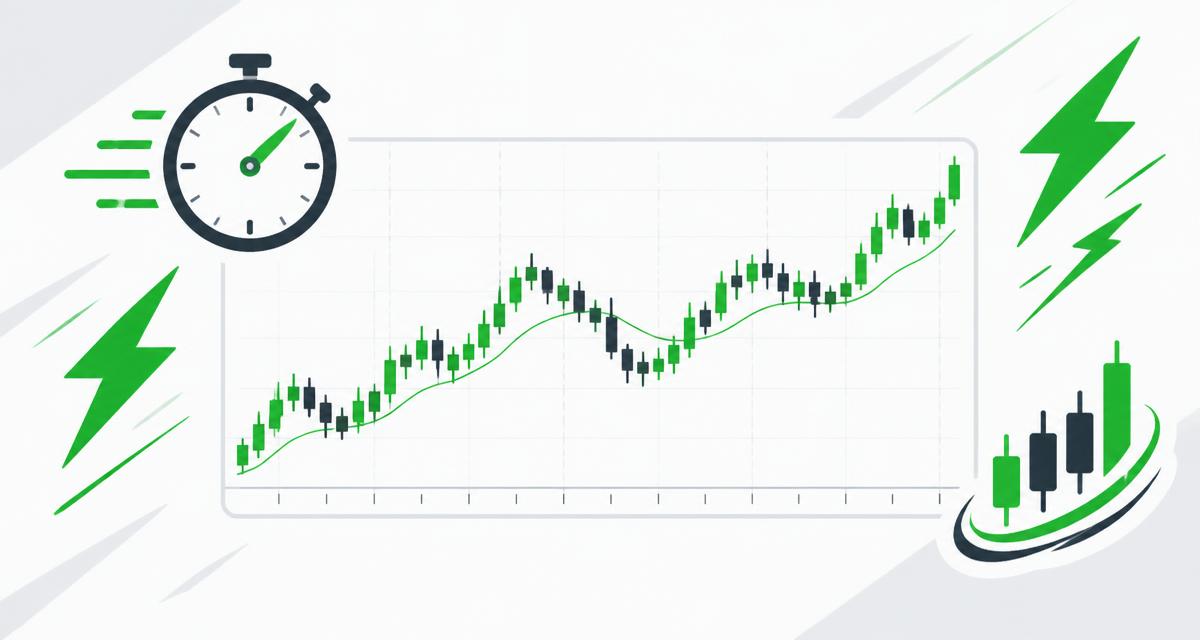
Scalping is one of the most searched trading styles online — and one of the most misunderstood. Videos promise hundreds of dollars from a few minutes of clicking. The reality is quieter: scalping is a disciplined, rules-based way to take small moves from the market, and it punishes sloppy risk control faster than any other style.
This guide explains what scalping really is, which markets suit it, a simple 5-minute framework you can practise on a demo account, and the risk rules that matter most.
What Is Forex Scalping?
Scalping means opening and closing trades within minutes, aiming for small price moves — often 5 to 15 pips on major pairs. A scalper may take several trades per session instead of holding one position for days.
How it compares with other styles:
- Scalping: seconds to ~30 minutes, small targets, many trades.
- Day trading: minutes to hours, closed before the day ends.
- Swing trading: days to weeks, larger targets, fewer trades.
If you are unsure which style fits your schedule and personality, read Day Trading vs Swing Trading first.
Why Costs Matter More for Scalpers
Every trade starts slightly negative because of the spread. On a swing trade aiming for 150 pips, a 1-pip spread is a small cost. On a scalp aiming for 8 pips, that same spread eats more than 10% of your target.
Simple example on EURUSD with 0.10 lots (about $1 per pip):
- Target: 8 pips = $8
- Spread: 1.2 pips = $1.20
- Real net gain if target is hit: about $6.80
Repeat that over many trades and costs decide whether a strategy survives. This is why scalpers care about tight spreads, low commissions, and fast execution.
Best Markets for Beginner Scalpers
Stick with liquid instruments that usually have tight spreads:
- EURUSD — the most liquid pair, generally the tightest spreads. A good first choice.
- GBPUSD — moves more, which means bigger opportunities and bigger mistakes.
- USDJPY — smooth during the Asian and London sessions.
- XAUUSD (Gold) — very popular for scalping, but volatile. Lot size errors are common, so read How to Calculate Lot Size on Gold before trying it.
Avoid exotic pairs: wide spreads make scalping almost impossible. See Best Forex Pairs for Beginners for more.
When to Scalp
Scalping needs movement and liquidity. The best windows are usually:
- London open and the London–New York overlap, when volume is highest.
- Avoid the minutes around major news such as NFP, CPI, and central bank decisions — spreads can widen and price can jump past your stop. Our economic calendar guide shows what to watch.
Session times shift with daylight saving, so check them for your country in Best Time to Trade Forex.
A Simple 5-Minute Scalping Framework (For Practice)
This is an educational framework, not a guaranteed system. Test it on a demo account before risking real money.
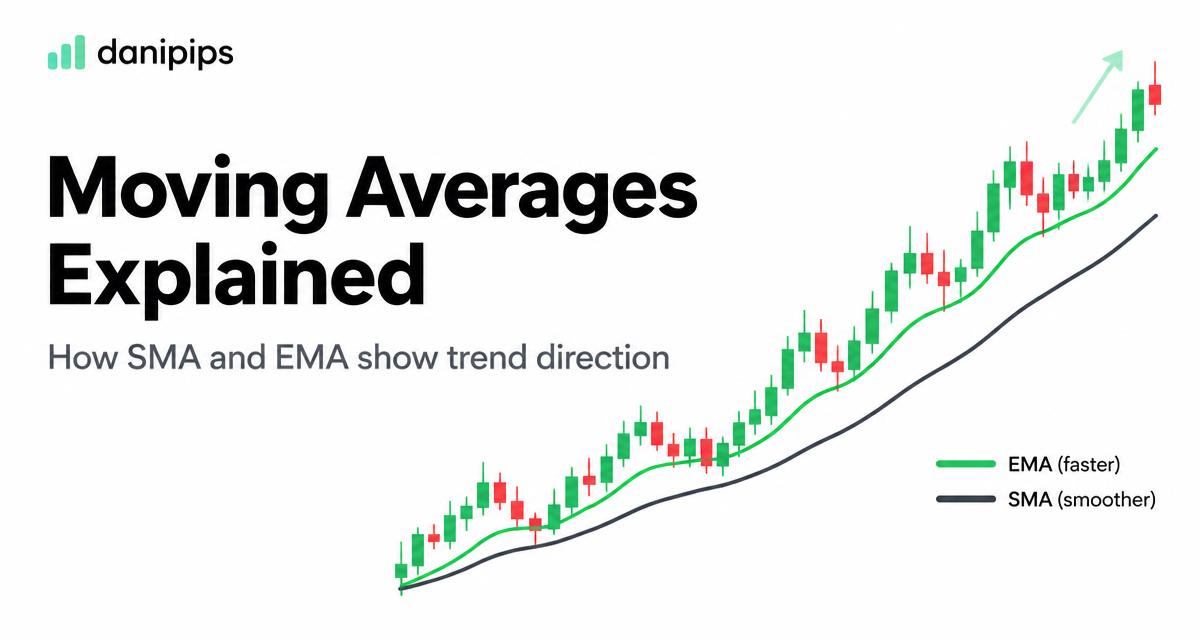
Setup: 5-minute chart, 20 EMA and 50 EMA. (New to these? Read Moving Averages Explained.)
1. Find the direction. Only buy when the 20 EMA is above the 50 EMA and both slope up. Only sell when the 20 EMA is below the 50 EMA and both slope down. If the lines are flat and tangled, do nothing.
2. Wait for a pullback. In an uptrend, wait for price to pull back toward the 20 EMA. Do not chase a candle that has already run far.
3. Look for confirmation. Enter when a bullish candle closes back in the trend direction — for example, a bullish engulfing or a strong rejection wick. See candlestick patterns.
4. Place your stop. Put the stop loss just beyond the recent swing low (for buys) or swing high (for sells). Never trade without one.
5. Set your target. Aim for at least 1.5 times your risk. If your stop is 6 pips, aim for 9 or more.
6. Manage and exit. Take the trade off at your target or stop. Do not move your stop further away because you "feel" price will turn.
Four Golden Risk Rules for Scalping
- Risk 1% or less per trade. Many small trades can add up to a big loss quickly. Follow the 1% rule and size every trade with the Position Size Calculator.
- Set a daily loss limit. For example, stop trading for the day after three losses or after losing 3% of your account.
- Be careful with leverage. High leverage lets you open bigger positions, but it does not change your risk per pip. Read Forex Leverage Explained.
- Keep a journal. Record entry, stop, target, result, and emotion. Scalping happens fast, and memory is unreliable.
Common Scalping Mistakes
- Overtrading — taking trades out of boredom instead of setups.
- Revenge trading after a loss. See Trading Psychology.
- Ignoring spreads and commissions when calculating results.
- Scalping during news without understanding the risk.
- Going live too early. Practise first — read Demo vs Live Trading.
Is Scalping Right for You?
Scalping may suit you if you can focus for an hour or two without distraction, follow rules strictly, and accept small losses calmly. If you prefer fewer decisions or cannot watch charts during active sessions, swing trading may suit you better. Neither style guarantees profit.
The fastest way to learn is to practise this framework on a demo account for at least a few weeks and track your results honestly. Start with our free forex course if you need the basics first.
Choosing a Broker for Scalping
Because costs and execution speed matter so much, broker choice is important for scalpers. Danipips recommends Exness, which offers low-spread account types, fast execution, and a free demo account for practice. Learn more in our Exness review.
Open an Exness account here — start on a demo account, test the 5-minute framework, and only move to live trading when your results are consistent.
Risk warning: Trading forex and CFDs involves significant risk of loss. Spreads and conditions vary by account type and market conditions. This article is for education only and is not financial advice.